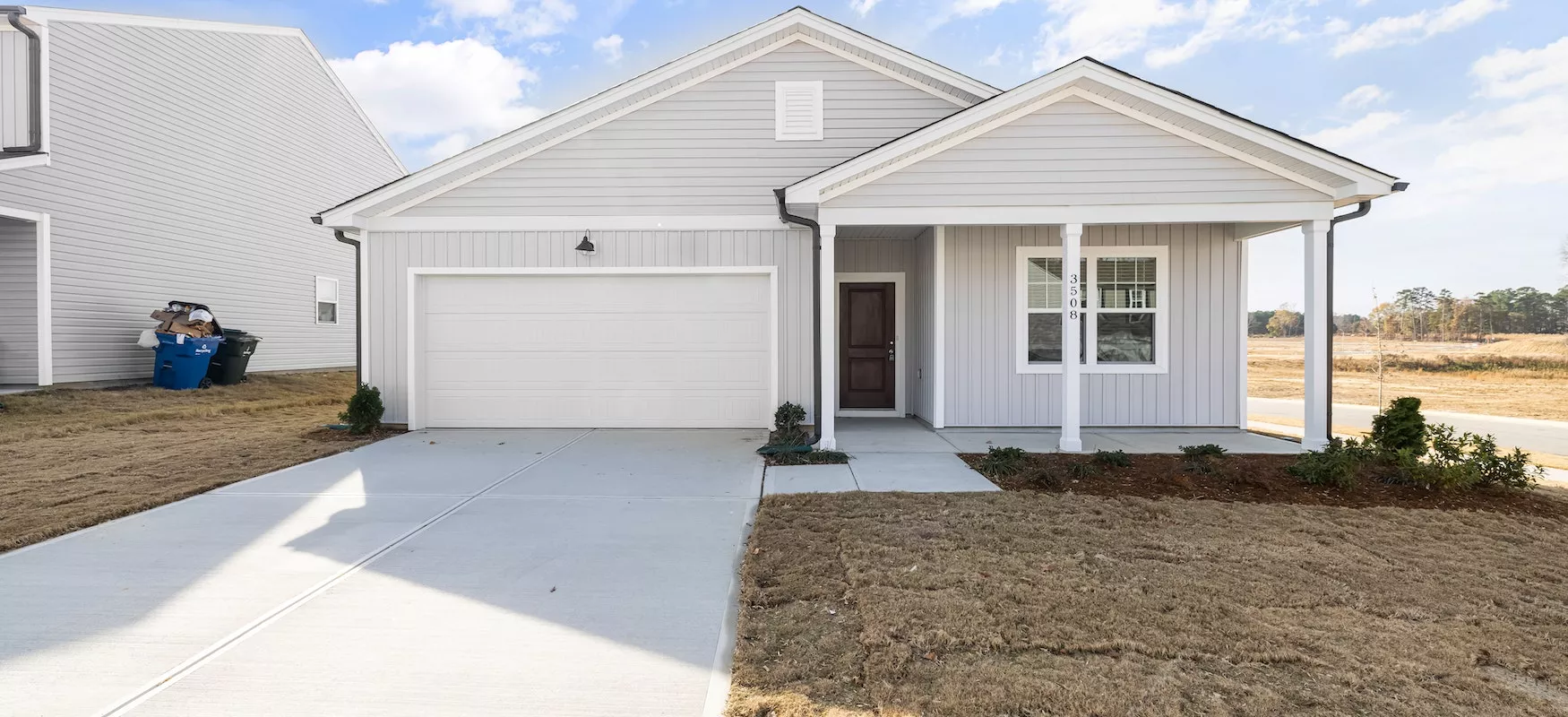
One of the most common questions we receive is: “Can I really sell my house in this condition?”
The answer is usually yes. Cash buyers purchase properties as-is, which means you don’t need to make repairs, deep-clean the house, or remove belongings before selling. This section covers specific property conditions — from mold and structural damage to hoarder situations, abandoned properties, and different property types. – Use Ctrl+F to search for your specific situation.-
As-Is Basics
What Does Selling a House As-Is Mean?
Selling as-is means you’re offering the property in its current condition and won’t be completing repairs, renovations, or improvements before closing. The buyer evaluates the home as it stands and prices accordingly. Note that “as-is” doesn’t override Oregon and Washington’s seller disclosure rules — you still have to disclose known material defects; you simply aren’t obligated to fix them.
What Are the Benefits of Selling As-Is?
The core benefits are speed, certainty, and no out-of-pocket cost. You skip repairs, cleanouts, staging, and showings; you avoid financing fall-through; and you close on a timeline you control. The trade-off is a lower price than a fully renovated, market-listed home might fetch — so as-is makes the most sense when the repair burden, your timeline, or the stress of a traditional sale outweighs squeezing out the last few dollars.
Can I Sell a House With Major Deferred Maintenance?
Yes — years of postponed repairs won’t stop a sale. Peeling paint, an aging HVAC system, worn flooring, and neglected systems all factor into the offer price, but cash buyers expect deferred maintenance and build it into their numbers rather than walking away. This is one of the most common reasons homeowners choose a cash sale in the first place.
Can I Sell a House With Unfinished Projects?
Absolutely. Half-finished remodels, a gutted bathroom, an addition framed but never drywalled, a kitchen stopped midway — buyers purchase these regularly. Unfinished work affects value because the next owner has to complete it, but a stalled project is often exactly what a cash buyer or investor is looking for.
Do I Need to Clean Out My House Before Selling It As-Is?
Usually not. Cash buyers routinely purchase homes exactly as they stand — full of furniture, clutter, or decades of accumulated belongings. Take what you want to keep, leave the rest, and the buyer handles disposal after closing. For sellers dealing with an estate, a hoarding situation, or a fast relocation, skipping the cleanout removes one of the most stressful and expensive parts of moving.
How Does Selling As-Is Compare to Fixing Up a House Before Listing?
The trade-off comes down to time and risk versus top dollar. Fixing up a home before listing can lift the sale price, but you front the repair costs, wait weeks or months for the work, and gamble that the market holds while you do it. Selling as-is nets a lower headline price but removes the cash outlay, the contractor headaches, and the uncertainty. If the repairs are cosmetic and you have time, listing may win; if they’re structural or you need speed, as-is usually comes out ahead once you subtract holding costs and repair bills.
Should I Fix My House or Sell As-Is?
Run the numbers before you pick up a hammer. Add the repair cost, the weeks or months of work, the holding costs while it’s underway, and the risk the market shifts — then compare that to the difference between a renovated sale price and a solid as-is offer. Cosmetic fixes with time on your side can pay off; major repairs, a tight timeline, or limited cash usually tip the decision toward selling as-is.
Structure & Major Systems
Can I Sell a House With Structural Issues?
Yes. Foundation movement, a sagging roofline, failing support beams, or compromised framing don’t take a property off the table. Structural problems scare off traditional buyers and their lenders, which is precisely why cash buyers who can purchase without financing contingencies are often the most realistic route. The offer reflects the repair scope, but the sale can still close.
Can I Sell a House With Foundation Problems?
Yes. Settling, cracking, bowing walls, and moisture-driven movement are common in the Pacific Northwest’s clay soils and wet winters. Foundation repair is expensive and tends to scare off financed buyers, so cash buyers who can absorb the repair are frequently the most practical path — the offer reflects the fix, but the sale goes through.
Can I Sell a House With an Old Roof?
Yes. A roof at the end of its life won’t stop a cash sale, even though it can block traditional buyers whose lenders or insurers demand a certain number of years of remaining life. Cash buyers don’t have that constraint — they factor a re-roof into the offer and move forward.
Can I Sell a House With Sewer Problems?
Yes. Root intrusion, a collapsed or offset lateral, a broken cast-iron line, or a scope that comes back full of problems — none of these stop a sale. Sewer line repairs can run into the thousands, which is exactly why sellers often prefer to hand the issue to a cash buyer rather than dig up the yard first. Portland’s older neighborhoods see this constantly.
Can I Sell a House With Septic Problems?
Yes. Short of a fully failed system, septic issues — a struggling drainfield, a cracked tank, a system near the end of its life, or one that won’t pass inspection — are common on rural and unsewered properties and don’t prevent a sale. Cash buyers who purchase acreage and rural homes deal with septic regularly and factor repair or replacement into the offer.
Can I Sell a House With a Failed Septic System?
Yes. A septic system that’s failed inspection or stopped functioning is a repairable problem to the right buyer. In Oregon, septic is regulated by DEQ and in Washington by the local health jurisdiction, and a failed system typically means a costly drainfield replacement — but cash buyers who purchase rural and unsewered properties handle these regularly and price accordingly.
Can I Sell a House With a Bad Well?
Yes. Low output, a failed pump, or water that won’t pass a quality test won’t prevent a sale. Well water in parts of Oregon and Washington can carry naturally occurring arsenic or other contaminants, so buyers of rural property are used to well issues and factor testing, treatment, or a new pump into the offer.
Damage
Can I Sell a House With Water Damage?
Yes. Whether it came from a burst pipe, a roof leak, an appliance failure, or long-term moisture intrusion, water damage doesn’t take a home off the market. The key questions a buyer weighs are how far the damage spread and whether mold followed — both get factored into the offer, and neither prevents the sale.
Can I Sell a House With Mold?
Yes. Given the damp Pacific Northwest climate, mold is one of the most common issues we encounter, and it rarely stops a sale. You’ll need to disclose known mold, but cash buyers evaluate the source — often a moisture or ventilation problem — and price in remediation rather than requiring you to fix it first.
Can I Sell a House With Dry Rot?
Yes — and in Oregon and Washington, dry rot is one of the most frequently encountered issues we see, thanks to the wet climate. Rot in window frames, decking, siding, or sub-floor framing affects value and may need remediation, but it’s a familiar problem to local cash buyers and rarely a dealbreaker.
Can I Sell a House With Pest Damage?
Yes. Termite trails, carpenter ant damage, rodent infestation, or the aftermath of any of these can be sold. In the Pacific Northwest, moisture-related pests like carpenter ants and wood-boring beetles are common, and buyers here are used to evaluating the damage and pricing in treatment and repairs.
Can I Sell a Fire-Damaged House?
Yes. From smoke and cosmetic damage to a substantial structural burn, fire-damaged homes are bought and sold regularly. Some cash buyers specialize in fire restoration and are comfortable with heavy damage that would frighten off a conventional buyer, so even significant fire loss has a market.
Can I Sell a Flood-Damaged House?
Yes. Homes that have flooded — or that sit in a FEMA-designated flood zone — sell every year across Oregon and Washington. Flooding affects value, insurance, and financing, which pushes many owners toward cash buyers who can purchase without a lender’s flood requirements and account for the damage in their offer.
Can I Sell a House After Storm Damage?
Yes. Damage from wind, ice, fallen trees, or flooding — the kind of events Oregon and Washington see each winter — doesn’t stop a sale. Whether you sell before or after dealing with insurance, cash buyers purchase storm-damaged homes and factor the repairs into what they offer.
Can I Sell a Vandalized Property?
Yes. Broken windows, graffiti, stripped copper, and interior destruction lower value but don’t block a sale. Vandalism is a common problem with vacant homes in particular, and cash buyers who deal in distressed property expect it and price the repairs in.
Can I Sell a House With Environmental Issues?
Yes. Asbestos, lead paint, buried oil tanks, meth contamination, soil issues — environmental problems raise cost and disclosure considerations but rarely make a property truly unsellable. Specialized cash buyers handle the required testing, reporting, and remediation, which is often far more than an average homeowner wants to manage alone.
Oil Tanks
Can I Sell a House With an Underground Oil Tank?
Yes, and this is a well-worn path in Oregon in particular. Thousands of older Portland-area homes still have buried heating oil tanks. Oregon’s DEQ runs a Heating Oil Tank program, and decommissioning a tank — pumping, filling or removing, and soil sampling — is a routine, documented process. A cash buyer familiar with the DEQ system can often take the tank on directly, saving you the decommissioning step.
Can I Sell a House With a Leaking Oil Tank?
Yes. A leaking or failed tank that has contaminated surrounding soil raises the stakes because of cleanup cost and DEQ reporting, but it does not make the house unsellable. Local cash buyers regularly purchase homes with confirmed leaks, factor the remediation into the offer, and manage the DEQ decommissioning and cleanup process themselves.
Permits, Legal Status & Occupancy
Can I Sell a House With Unpermitted Work?
Yes. Unpermitted additions, garage conversions, finished basements, and DIY electrical or plumbing are extremely common. The catch is disclosure: under Oregon and Washington seller disclosure law, you’re expected to reveal known unpermitted work. Cash buyers take on the risk of legalizing or removing it, which is often simpler for you than trying to retroactively permit the work before a traditional sale.
Can I Sell a House With an Unpermitted Addition?
Yes. Whether it’s an extra bedroom, an enclosed patio, a converted garage, or an ADU built without sign-off, unpermitted additions are sold all the time. The buyer decides whether to pursue permits, leave it, or remove it — and prices the offer around that. You disclose what you know; they handle the rest.
Can I Sell a Condemned House?
Yes. A condemnation or “unfit for occupancy” order creates real hurdles around habitability, financing, and required repairs, but it doesn’t erase your options. Cash buyers who take on distressed property purchase condemned homes, deal with the local jurisdiction on the outstanding orders, and rehabilitate or redevelop the property.
Can I Sell a House With Squatters?
Yes, though occupancy adds a legal wrinkle. A home with unauthorized occupants can still be sold, and some investors will purchase knowing they’ll handle removal through the proper legal process. Oregon and Washington both have specific procedures for dealing with unlawful occupants, and an experienced buyer factors that time and cost into the deal.
Can I Sell an Abandoned House?
Yes. A property that’s been abandoned — often deteriorating, sometimes vandalized, frequently carrying code violations or unpaid bills — can still be sold. Cash buyers who handle distressed property take on the condition and any outstanding issues, which is usually far simpler than trying to restore an abandoned home for a traditional listing.
Can I Sell a Hoarder House?
Yes, and you don’t need to clear it out first. Hoarder homes — packed with belongings, sometimes with related damage or health concerns — are bought as-is by cash buyers who take on the cleanout entirely. For families dealing with a relative’s estate or a difficult situation, this removes what is usually the single most overwhelming obstacle.
Vacant Property
Can I Sell a Vacant House?
Yes — in fact, a vacant home is one of the most common reasons owners sell. An empty house still costs you in taxes, insurance, utilities, and upkeep while providing nothing in return, and it’s more exposed to vandalism and weather damage the longer it sits. Cash buyers purchase vacant properties quickly, which stops the bleeding.
How Do I Secure a Vacant House Before Selling?
The basics: lock all doors and windows, remove obvious signs the home is empty (piled-up mail, an overgrown yard), keep adequate insurance in force, and consider a smart alarm or a neighbor keeping an eye on it. That said, the fastest way to eliminate the risk entirely is to sell — a vacant house that closes quickly stops being your liability. Many owners sell precisely to stop worrying about an empty property.
Should I Sell or Keep a Vacant House?
It depends on what the property is costing you versus what it’s returning. A vacant home drains money through taxes, insurance, utilities, and maintenance while exposing you to vandalism and weather risk. If you’re not living in it, renting it, or actively planning to, those ongoing costs usually argue for selling — but if you have a concrete near-term use or expect significant appreciation, holding may be justified.
Land & Property Types
Can I Sell a Vacant Lot or Land to a Cash Buyer?
Yes. Raw lots and land sell to cash buyers, builders, developers, and adjoining owners regularly. Value hinges on zoning, buildable area, access, available utilities, topography, and development potential — a steep, landlocked parcel and a shovel-ready infill lot are very different propositions, and pricing reflects that.
Can I Sell Raw Land?
Yes. Undeveloped land — rural acreage, recreational parcels, timberland, or a future building site — trades regularly to cash buyers, investors, and developers. Because there’s no structure to inspect, value comes down to location, zoning, access, and utilities, and the right buyer is often someone with a specific development or holding plan in mind.
Can I Sell a Mobile Home or Manufactured Home for Cash?
Yes, though the details matter more than with a standard house. Whether the home sits on land you own or in a park, its age, its condition, and — for park homes — the community’s buyer-approval and age rules all shape the process. Cash buyers who specialize in manufactured housing navigate these variables routinely.
Can I Sell a Mobile Home in a Park?
Yes. Manufactured homes in a park sell across Oregon and Washington regularly, but the park adds steps: space rent, community rules, any age restrictions, and — most importantly — the park’s approval of the buyer. A cash buyer experienced with park homes knows how to work within those requirements.
Can I Sell a Partially Completed Construction Project?
Yes. A stalled new build, an abandoned major remodel, a half-built ADU, or an addition that never got finished can all be sold. Buyers weigh how much work remains, whether permits are current, and what it will cost to complete — and for many investors, a partially built project at the right price is an opportunity, not a liability.
Can I Sell a Duplex for Cash?
Yes. Duplexes sell to cash buyers whether they’re owner-occupied, tenant-occupied, vacant, or in rough shape. If tenants are in place, the rents and leases influence the offer alongside condition, so a well-rented duplex and a vacant fixer are valued quite differently.
Can I Sell a Triplex or Fourplex?
Yes. Three- and four-unit buildings are attractive to cash buyers precisely because of the rental income they produce. Whether fully leased, partly vacant, or needing repairs, the offer weighs income and expenses alongside physical condition, and small multifamily buildings tend to have a ready pool of investor buyers.
Do Cash Home Buyers Purchase Multi-Family Properties?
Yes. Duplexes, triplexes, fourplexes, and larger apartment buildings are actively sought by cash buyers because they generate rental income. For income properties, the offer is driven as much by rents, expenses, and cap rate as by physical condition, so occupancy and rent rolls matter alongside repairs.
Can I Sell an Apartment Building?
Yes. Larger multifamily buildings trade to cash buyers regardless of occupancy or condition. Value is driven by net operating income and cap rate, so rent rolls, expenses, and deferred maintenance all feed into the offer — and buyers of apartment assets are typically prepared for buildings that need work.
Do Cash Buyers Purchase Commercial or Office Properties?
Yes. Office buildings, retail spaces, warehouses, and mixed-use and industrial properties all trade to cash buyers. Commercial valuation leans heavily on income, tenancy, and use rather than comparable-sales alone, so the evaluation looks different from a home sale — but the as-is, no-financing-contingency appeal is the same.
Can I Sell Commercial Property?
Yes. Retail, office, industrial, and owner-user commercial buildings all sell to cash buyers. Whether the space is leased or empty, income potential, use, and location drive the valuation more than condition alone — and a no-financing-contingency cash close is often especially valuable on commercial deals, where lending is slower and stricter.
Can I Sell a Mixed-Use Property?
Yes. Buildings that combine residential and commercial space — apartments over a storefront, live/work units — sell to cash buyers who understand the dual valuation involved. The residential and commercial components are assessed differently, which makes an experienced buyer particularly useful on these properties.
PDX Renovations
Does PDX Renovations Buy Houses As-Is?
Yes. PDX Renovations buys homes throughout Oregon and Washington in any condition — no repairs, no cleaning, no cleanout required. We’ve purchased more than 5,000 properties since 2006, including homes with the exact issues covered on this page, from structural damage to hoarding situations.
Back to the All the FAQ topics